Dikişsiz Kartlık Açıklaması: Tek Parça Deri, Sökülecek Hiçbir Şey Yok
Bu yazıda
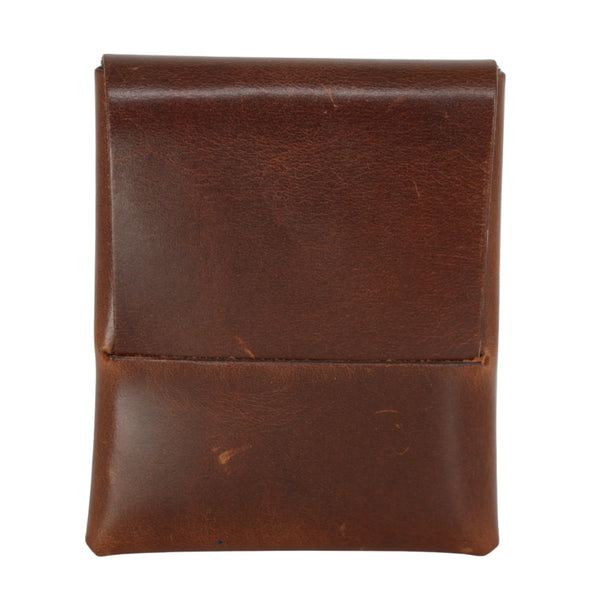
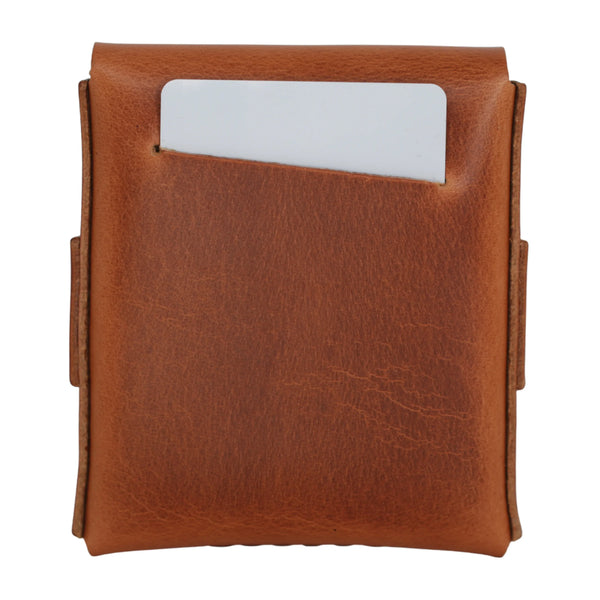
Dikişsiz kartlık, dikişli kenarı olmadan üretilen bir cüzdandır. İki paneli iplikle birleştirmek yerine tek parça deriden kesilir ve katlanarak, geçirilerek ya da bir bağlantı elemanıyla şekillendirilir — böylece genelde ilk bozulan parça ortada bile yoktur.
Fikir bu. Sizin için doğru cüzdan olup olmadığı, ne taşıdığınıza ve nasıl taşıdığınıza bağlıdır, çünkü dikişi kaldırmak bir arıza türünü başka bir arıza türüyle değiştirir. Bu rehber ikisini de ele alıyor.
Öne Çıkanlar
- Dikişsiz kartlık, dikişli kenarın yerine bir kıvrım, bir geçme ya da metal aksesuar koyar. Daha az parça, ayrılabilecek daha az yer demektir.
- Dikişler, cüzdan üretiminde en yaygın kusur kaynağıdır. Bir üreticinin kendi kalite raporu, dikişle ilgili sorunların tüm kusurların %45–65'ini oluşturduğunu, yalnızca dikiş hatalarının ise %25–40'ını oluşturduğunu belirtiyor.
- Makine dikişi (zincir/düz dikiş) kırılgan versiyondur: bir ipliği kesin, dikiş sökülüp gidebilir. Eyer dikişi (saddle stitch) bu şekilde bozulmaz, çünkü her dikiş karşı iğneyle kilitlenir.
- Dikişsiz olmak arızasız olmak anlamına gelmez. Bunun yerine kıvrım noktasında bozulur — deri lifleri büküldüğü yerde kırılır ve bir kırışıklık bir daha asla düzelmez.
- Satın almadan önce üç şeyi kontrol edin: derinin ağırlığını, kapanışın bir kıvrım mı yoksa ince deriye oturtulmuş bir çıtçıt mı olduğunu ve kenarların nasıl bitirildiğini.
Bir Kartlığı Dikişsiz Yapan Nedir?
Yapısal bir eleman olarak ipliğin yokluğu. Süs olarak iplik değil — cüzdanı bir arada tutan şey olarak iplik.
Çoğu kartlık, üst üste konup çevresinden dikilen iki veya daha fazla deri panelden oluşur. Dikiş çizgisi kart gözlerini oluşturur ve katmanları hizasında tutar. Onu kaldırın, cüzdan düz parçalar yığınına dönüşür.
Dikişsiz kartlıkta bir arada tutulacak ayrı parçalar yoktur. Göz geometrisi, tek bir panelin kendi üzerine nasıl katlandığından gelir ve derinin kendi sertliği onu o hâlde tutar.

Fikir tasarımda yeni değil, yalnızca perakendede nadir. Yanko Design, Ekim 2021'de tek parça katlamalı, hiç perçin, dikiş ya da tutkal kullanmayan bir kartlığı ele almıştı; geometrisini origami ve kirigamiden ödünç alıyordu. Terimi bugün aratırsanız çoğunlukla bitmiş ürünler değil, kendin-yap kalıpları ve PDF şablonları bulursunuz — bu da kaç az üreticinin bu yönteme gerçekten yöneldiğini gösterir.
Dikişsiz Üretmenin Üç Yolu
"Dikişsiz" üç farklı üretim yöntemini kapsar ve bunlar birbirine eşit değildir. Hangisine baktığınızı bilmek, kontrol edebileceğiniz ilk yararlı şeydir.
Dikkat edilmesi gereken yapıştırılan üretimdir. Yapıştırılmış bir kartlık teknik olarak dikişsizdir, ama tutkal normalde ipliğin yapacağı yapısal işi üstlenir ve tutkal bağları vücut ısısı, ter ve bükülme karşısında kötü yaşlanır. Ucuz bir cüzdan katman katman soyulmaya başladığında, bu bağ çizgisinin çözülmesidir.
Donanımla birleştirme ortada durur. Çıtçıt ve perçinler dürüst bağlantı elemanlarıdır, ama her biri deriye açılmış, üzerine metal kıvrılmış bir deliktir. Tandy Leather'ın donanım rehberi, ince deriye kıvrılmış bir perçin gövdesinin en çok çekme gücü alan noktada koparak açığa çıkabileceğini ve çok sıkı geçen bir çıtçıtın çevresindeki deriyi zamanla zedeleyebileceğini belirtiyor (Tandy Leather, erişim 7 Ağustos 2026).
Genellikle Önce Neden Dikiş Bozulur?
Çünkü dikiş, cüzdanın en ince, en çok zorlanan ve deri olmayan bir malzemeye en bağımlı olduğu yerdir.
Kendi kalite kontrolü hakkında yazan bir üretici bunu rakamlarla ortaya koyuyor. Sunteam'in deri cüzdan iadeleri üzerine yazısı, tüm kusurların %45–65'inin dikişle ilgili olduğunu, yalnızca dikiş sorunlarının %25–40'ını oluşturduğunu ve müşteri şikayetlerinin kabaca %30'unun dikiş kalitesiyle ilgili olduğunu bildiriyor (Sunteam, tarihsiz, erişim 7 Ağustos 2026). Bunları bağımsız bir araştırma değil, üreticinin kendi bildirdiği rakamlar olarak değerlendirin — ama bu rakamları bildiren tarafın kendi kusur oranını abartmak için hiçbir sebebi olmadığını da not edin.
Yine de her dikiş eşit derecede kırılgan değildir ve çoğu alışveriş rehberi tam da burada çok erken duruyor.
Makine dikişi ile eyer dikişi
Bir dikiş makinesi makine dikişi (lockstitch) yapar: üst iplik ile mekik ipliği derinin içinde birbirine dolanır. Hızlıdır ve süreklidir — sorun da tam olarak budur. International Leather Club bunu açıkça ortaya koyuyor: makine dikişinde "kopan bir iplik sökülmeye başlar" ve parçalar birbirinden ayrıldıkça "tamamen çözülüp çıkarlar" (International Leather Club, tarihsiz, erişim 7 Ağustos 2026).
Elle yapılan eyer dikişinde (saddle stitch) her iki ucunda birer iğne olan tek bir iplik kullanılır; ikisi de aynı delikten karşılıklı yönlerden geçer. Her dikiş kendi kendini kilitler. Aynı kaynağa göre, iplik kopsa bile "tamamen çözülmek yerine, ikinci iğnenin oluşturduğu iç içe geçme sayesinde yerinde tutulur."
Yani bu tartışmanın dürüst versiyonu, "dikişsiz daha iyidir"den daha dardır. Dikişsiz bir kartlık, makineyle dikilmiş bir cüzdanda gerçekten var olan bir arıza noktasını ortadan kaldırır. Doğru şekilde eyer dikişiyle dikilmiş bir cüzdana karşı ise dikiş avantajı büyük ölçüde ortadan kalkar — ve devreye başka farklar girer.
Dikişsiz Üretim Neyi Ortadan Kaldırır?
Dört şey, ve her biri bağımsız olarak bozulabilecek bir bileşen.
| Kaldırılan | Aksi halde ne yapardı | Var olduğunda nasıl bozulur |
|---|---|---|
| İplik | Panelleri çevre boyunca bir arada tutar | Köşelerde ve kıvrım çizgilerinde aşınır; makine dikişleri kesildiğinde söker |
| Tutkal | Dikişten önce veya dikiş yerine panelleri yerinde tutar | Bağ çizgisi ısı ve bükülme altında çözülür; katmanlar ayrılır |
| Astar | Et yüzünü kaplar ve ince panelleri sertleştirir | Deriden soyulur; banknot bölmesinde yırtılır |
| Dikiş delikleri | Tek başlarına hiçbir işe yaramaz | Deriyi tam olarak en çok zorlanan çizgi boyunca deler |
Sonuncusu genelde göz ardı edilir. Dikiş çizgisi, cüzdanın en çok büküldüğü kenar boyunca deriye açılmış bir delik sırasıdır. İplik bu delikleri doldurur, ama deri orada yine de delinmiş durumdadır. Dikişi kaldırın, panel tüm genişliğince bütün kalır.
Astar meselesi de aynı derecede önemli. Astarsız bir cüzdanda deri ile kumaş arasında bağ çizgisi yoktur, dolayısıyla katman katman ayrılacak bir şey de yoktur — taşıdığınız şey baştan sona, önden arkaya deridir.
Bir cüzdanda RFID koruması varsa, o da genellikle astarda bulunur; bu bileşeni biz bilerek dışarıda bırakıyoruz. Buna ihtiyaç duyulduğuna dair kanıt, pazarlamanın öne sürdüğünden daha zayıf; dolandırıcılık rakamlarını gerçekten RFID korumalı bir cüzdana ihtiyacınız var mı yazısında tam olarak ele alıyoruz.
Dikişsiz Kartlık Nasıl Bozulur?
Kıvrım noktasında. Yeterli yıl geçtiğinde her seferinde, ve bunu önleyecek bir bakım yok — yalnızca yavaşlatan bakım var.
Deri aynı yerde tekrar tekrar büküldüğünde lif yapısı bozulur. Aralık 2024'te Shoegazing için yazan Jesper Ingevaldsson, malzemenin içinde olanı şöyle anlatıyor: lif yapısı "'kırılır' ve belirli bölgelerde yumuşayıp esner hale gelir, bu bölgeler de kırışıklıklara katlanmasına yol açar" (Shoegazing, 15 Aralık 2024). Bir cüzdan satın alırken akılda tutulması gereken asıl nokta şu: kırışıklıklar ısı ve suyla kozmetik olarak düzleştirilebilir, ama "deri lifleri hâlâ kırılmış durumdadır," bu yüzden kıvrım tam olarak aynı yere geri döner.
Katlanmış bir kartlıkta bu kıvrım yapısaldır. Bir paneldeki kırışıklık değil — eklem yeridir. Dolayısıyla bozulma sırası şöyle görünür:
- 1–2. ay. Kıvrım yerleşir. Cüzdan açılmaya çalışmayı bırakır ve şeklini korumaya başlar. İyi kısım budur.
- 1–3. yıl. Kıvrım boyunca görünür bir kırışıklık çizgisi koyulaşır. Kozmetiktir ve bitkisel tabaklanmış deride hasar değil patina olarak okunur.
- 5+ yıl. Deri kurumaya bırakılmışsa kıvrımdaki gren yüzeyinde ince çatlaklar belirmeye başlar. Bunu erteleyen şey üç ila altı ayda bir yapılan bakımdır.
- Er ya da geç. Bozulan nokta kıvrımdır. Dikişin aksine yeniden dikilemez.
Son satır asıl takas. Yıpranmış dikişi olan elde dikilmiş bir cüzdan bir onarım işidir — mevcut deliklerden yeni iplik geçirilir ve tekrar kullanıma döner. Kıvrım noktasında nihayet bozulmuş katlamalı bir kartlık ise bitmiştir. Onarılabilir bir arızayı daha yavaş bir arızayla takas etmiş olursunuz.
İki küçük arıza türünü daha belirtmekte fayda var. Donanımla birleştirilen dikişsiz tasarımlar gerilimi çıtçıt yuvasında yoğunlaştırır ve çok ince deriye oturtulmuş bir çıtçıt sonunda yerinden çıkar. Ayrıca katlamalı bir tasarımın sert bir kapasite tavanı vardır: geometri belirli bir kart sayısına göre kesilir ve fazla doldurmak kıvrımı kalıcı olarak gerer.

Hangisini Taşımalısınız?
Bu, kart sayısına ve nesnenin onarılabilir olmasını isteyip istemediğinize bağlı.
| Eğer… | Seçin | Neden |
|---|---|---|
| 6–10 kart ve katlanmış nakit taşıyorsanız | Katlamalı dikişsiz | Geometri o yük için tasarlanmıştır; sökülecek bir şey yok |
| 12+ kart, düz banknot, fiş taşıyorsanız | Elde dikilmiş cüzdan | Gerçek kapasiteyi mümkün kılan çok panelli yapıdır |
| On yıl sonra onarılabilir olmasını istiyorsanız | Elde dikilmiş, eyer dikişi | Yıpranmış bir dikiş onarılabilir; bozulmuş bir kıvrım onarılamaz |
| Mümkün olan en ince profili istiyorsanız | Katlamalı dikişsiz | İplik yok, astar yok, üst üste panel yok |
| Makine dikişli ile dikişsiz arasında seçim yapıyorsanız | Dikişsiz | Makine dikişi bu iki seçenekten daha zayıf olanıdır |
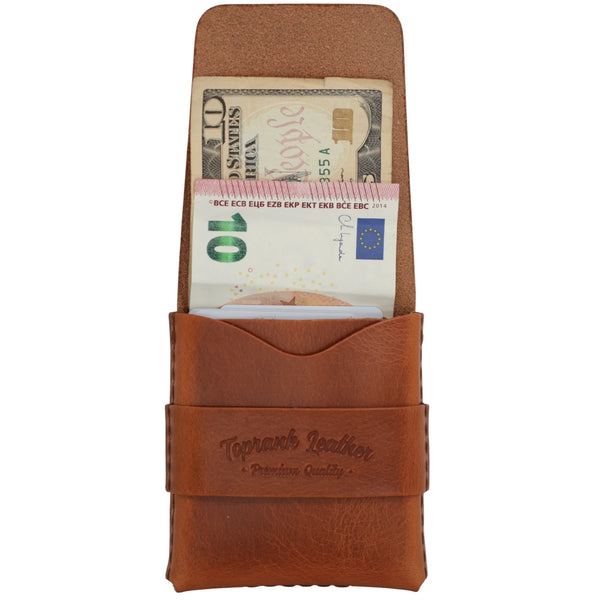
Bizimkilerin ikisi de bu ayrımın bilinçli iki ucunda duruyor. Flint, İstanbul atölyemizde hassas kesilip katlanan, üzerinde hiçbir yerde iplik olmayan tek panel Full Grain Leather'dır. Slade Classic ise diğer yöne gidiyor — her dikişi elde dikilmiş, böylece yıpranmış tek bir iplik gerisini asla peşinden sürükleyemez.
Satın Almadan Önce Beş Kontrol
Beşi de bir dakikadan kısa sürer ve hiçbiri ürün açıklamasına güvenmenizi gerektirmez.
- Birleşim yerlerini bulun. Her kenar boyunca dikiş deliği, tutkal çizgisi veya donanım yuvası arayın. Üçünden hiçbirini bulamıyorsanız, gerçekten katlamalı bir tek parçadır. Bir tutkal çizgisi buluyorsanız, tutkal yapısal iş görüyor demektir ve cüzdan katman katman ayrılacaktır.
- Deri ağırlığını kontrol edin. Katlamalı üretimin astarsız şeklini koruyabilmesi için yeterli gövdeye ihtiyacı vardır. Weaver Leather Supply'ın ağırlık tablosuna göre 4–5 ons yaklaşık 1,5–2 mm'ye karşılık gelir; standart kese ağırlığıdır (Weaver Leather Supply, erişim 7 Ağustos 2026). Bundan çok daha ince olursa kıvrım tutmaz; çok daha kalın olursa temiz katlanmaz. Deri, Crazy Horse gibi bir mum pull-up ise, kıvrımın çevresindeki panellerden daha açık renkte okunmasını bekleyin. Bu, hasar değil, kıvrım tarafından yer değiştirmiş mumdur ve sıcaklık ve sürtünmeyle geri gelir.
- Kesilmiş kenara bakın. Perdahlanmış bir kenar, derinin kendi liflerinin sıkıştırılıp cilalanmasıdır, bu yüzden soyulamaz. Boyalı kenarlar ise üzerine sürülmüş ayrı bir kaplamadır ve alttaki deri farklı bir oranda büküldüğünde kaplama çatlar. Aynı kenar, full grain rehberimizdeki dört kontrolü kullanarak size derecesini de söyler.
- İçeride ne olduğunu sorun. Astar varsa bağ çizgisi de vardır. Astar yoksa deriden soyulacak bir şey de yoktur.
- Kart sayısını bir öneri değil, bir sınır olarak okuyun. Katlamalı bir tasarım belirli bir yük için kesilir. Belirtilen kapasiteden düzenli olarak fazla taşıyorsanız, bunu germek yerine daha büyük bir cüzdan alın.
Sıkça Sorulan Sorular
Dikişsiz bir kartlık dikişli birinden gerçekten daha mı sağlam?
Makineyle dikilmiş birinden daha sağlam, çünkü iplik kesildiğinde sökülecek bir dikişi yok. Elde eyer dikişiyle dikilmiş bir cüzdana karşı ise karşılaştırma daha yakın, çünkü eyer dikişi de sökülmez. Buradaki dikişsiz avantajı ham sağlamlık değil, daha az bileşendir.
Kıvrım çatlar mı?
Deri kuruduğunda, er ya da geç. Full Grain Leather, lifleri esnek tutan bağlı su ve doğal yağları içinde barındırır ve ikisi de yıllar içinde azalır. Kıvrımı esnek tutan şey üç ila altı ayda bir yapılan bakımdır; ihmal ise bir kırışıklığı çatlağa dönüştürür. Ancak bu program cüzdan oturduktan sonra başlar — yeni bir cüzdanı çok erken yağlamak kıvrımı yerleşmeden önce yumuşatır.
Dikişsiz bir kartlık onarılabilir mi?
Nadiren, ve dürüst dezavantajı bu. Yıpranmış bir dikiş mevcut deliklerden yeniden dikilebilir. Bozulmuş bir kıvrımın ise buna denk bir çözümü yoktur, çünkü arıza deriye eklenmiş bir bileşende değil, derinin kendisindedir.
Dikişsiz bir kartlık kaç kart tutabilir?
Tasarıma bağlı, ama sayı esnek değil kesin bir sınırdır. Flint'imiz, tek bir ana bölmede kartlar ve katlanmış nakit için, kolay erişimli bir arka gözle birlikte kesilir. Katlamalı bir tasarımı aşırı doldurmak kıvrımı gererek açar ve kıvrım geri gelmez.
Dikişsiz demek yapıştırılmış mı demek?
Hayır, ve ısrar edilmeye değer ayrım bu. Yapıştırılmış üretim, içinde iplik bulunmayan üçüncü bir kategoridir. Katlamalı tek parça bir kartlık ise hiç tutkal kullanmaz — onu bir arada tutan geometridir.
Dikişsiz bir kartlık dikişli biri gibi patina yapar mı?
Kimya aynı; desen değil. Dikişli bir cüzdan panellerin tamamında koyulaşırken, katlamalı bir cüzdan ilk renk değişimini liflerin en sert sıkıştığı kıvrım boyunca yoğunlaştırır. Bitkisel tabaklanmış derinin nasıl patina kazandığına dair rehberimiz zaman çizelgesini ve bir kıvrımı esnek tutan bakım programını ele alıyor.
Kısa Özet
Dikişsiz kartlık, bir stil tercihi değil gerçek bir üretim tercihidir. İpliği, astarı, tutkalı ve cüzdanın en çok zorlanan kenarı boyunca açılmış delik sırasını ortadan kaldırır; karşılığında ise size yavaşça bozulan bir kıvrım verir.
Az sayıda kart taşıyorsanız ve alabileceğiniz en ince dürüst cüzdanı istiyorsanız, bu iyi bir takastır. Tam yük taşıyorsanız ve bir deri ustasının on yıl sonra yeniden hizmete sokabileceği bir şey istiyorsanız, elde eyer dikişiyle dikilmiş bir cüzdan daha iyi bir seçimdir. Hangi yönde olursa olsun kabul etmemeniz gereken şey, tutkalla bir arada tutulan ve kendini minimal diye tanımlayan bir açıklamaya sahip bir cüzdandır.
Flint, bizim katlamalı tek parçamız: Full Grain Leather, dikişsiz, astarsız, İstanbul'da elle kesilip katlanmıştır. Dikişi ve onarılabilirliği tercih ediyorsanız, Slade Classic baştan sona elde dikilmiştir.
Derinin kendisinin iddia ettiği şey olup olmadığından emin değil misiniz? Full Grain Leather'ı kendiniz nasıl doğrularsınız yazısıyla başlayın — herhangi bir şey satın almadan önce yapabileceğiniz dört kontrol.