

Vegetable Tanned Leather Colors: All 11 Shades Explained
The color you choose for your leather goods does more than define the look — it determines how the piece will age, how it will feel in your hand after a year, and how uniquely it will tell your story. Vegetable tanned leather is unlike any other material in this regard: the color you start with is only the beginning.
At Toprank Leather, we use only full vegetable tanned leather, sourced from tanneries that meet international quality standards. In this guide, you'll learn what sets veg tan leather apart in terms of color, how each of our 11 vegetable tanned leather colors looks and ages, and how to pick the right color for your specific leather good.
Table of Contents
- What Makes Vegetable Tanned Leather Different for Color
- The Full Color Range: All 11 Shades Explained
- How Each Color Ages: Patina Guide
- How to Choose the Right Color for Your Leather Goods
- Caring for Your Vegetable Tanned Leather by Color
- FAQ
What Makes Vegetable Tanned Leather Different for Color
Most leather on the market is chrome-tanned — a fast industrial process using chromium salts that produces consistent, vivid, and easy-to-dye results. Vegetable tanned leather takes a different path entirely. The process uses natural plant-based tannins — from oak bark, chestnut, and mimosa — and can take weeks or months rather than hours.
This matters for color in two important ways.
First, the palette leans naturally toward warm earth tones — browns, tans, ambers, and deep reds. The tannins in the fiber interact with dyes, pulling them toward organic, muted hues. This is why neon shades, crisp whites, or electric blues are difficult or impossible to achieve in true veg tan leather: the material itself resists unnatural saturation.
Second — and this is what makes veg tan special — the color is never finished. The moment you start using a piece, it begins to evolve. Light, the oils in your hands, humidity, and friction all leave their mark, gradually deepening and enriching the leather's tone into something called a patina. No two pieces ever develop the same patina. That is the point.
The Full Color Range: All 11 Shades Explained
Navy Blue
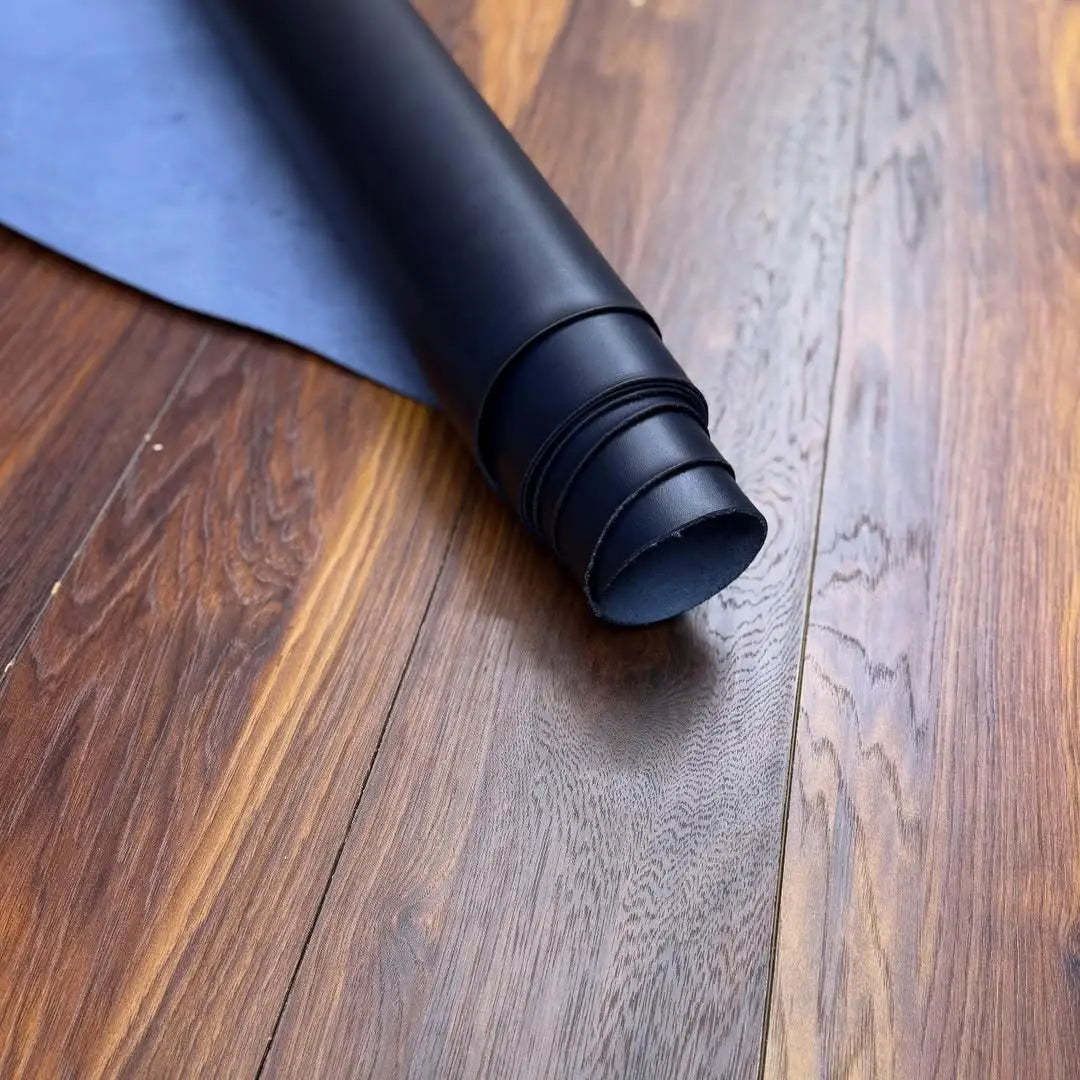
A deep, sophisticated shade that sits at the rare end of the veg tan spectrum. Because true blues are hard to achieve with natural fibers, this color is carefully dyed to maintain its richness without sacrificing the leather's natural character. It pairs exceptionally well with silver hardware and suits those who want a refined, professional look. Expect the navy to soften and warm slightly at the edges as it ages — a subtle, elegant transition.
Best for: Wallets, card holders, notebook covers. Patina speed: Moderate.
Red
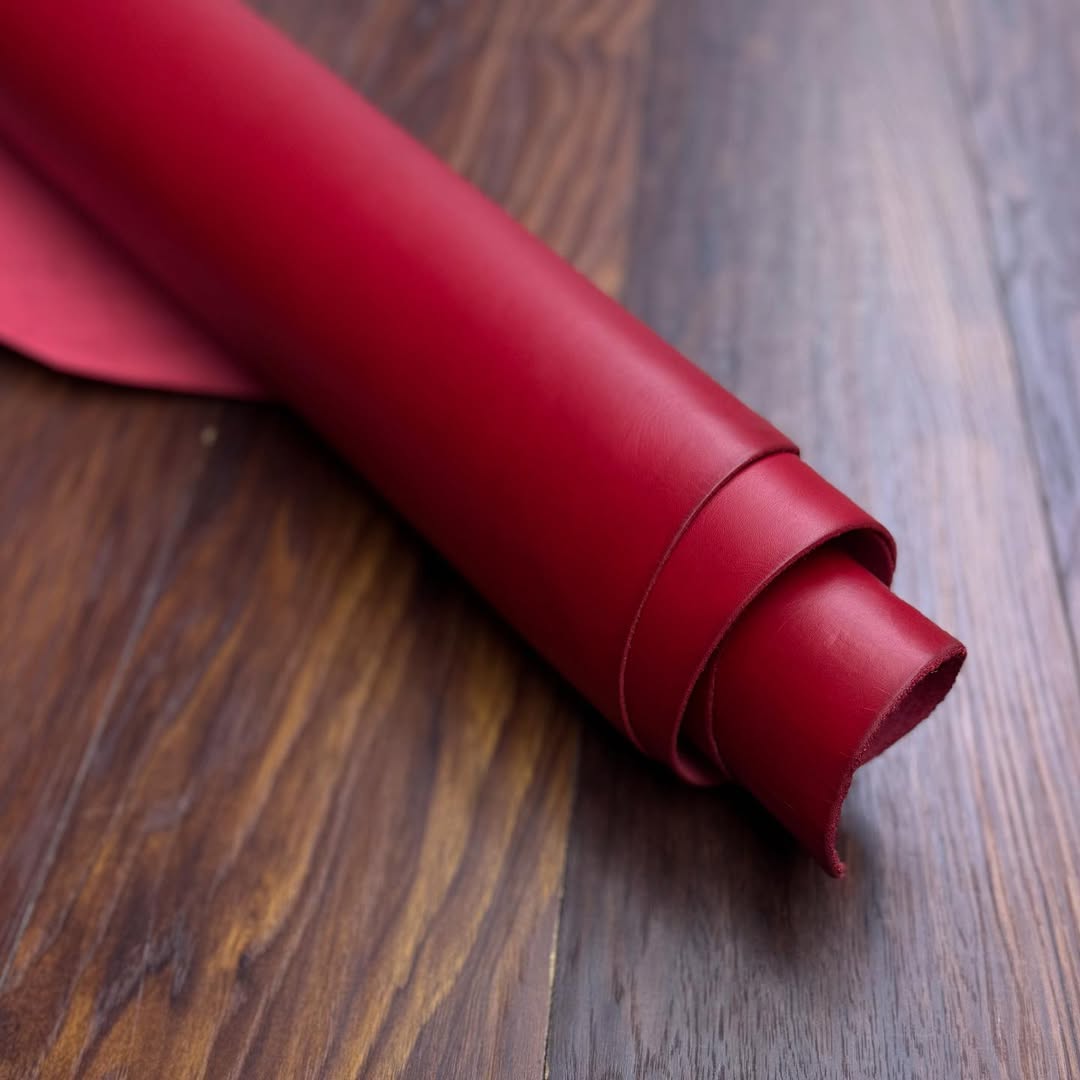
Bold and unapologetic. Red veg tan leather is for those who want their everyday carry to make a statement. The dye penetrates deeply, giving the leather a vivid character that softens into a deeper, richer burgundy-red over time. Minor scuffs actually blend into the surface as the leather ages, which means this color gets better-looking, not worse, with use.
Best for: Wallets, key fobs, AirTag holders. Patina speed: Moderate to fast.
Tan
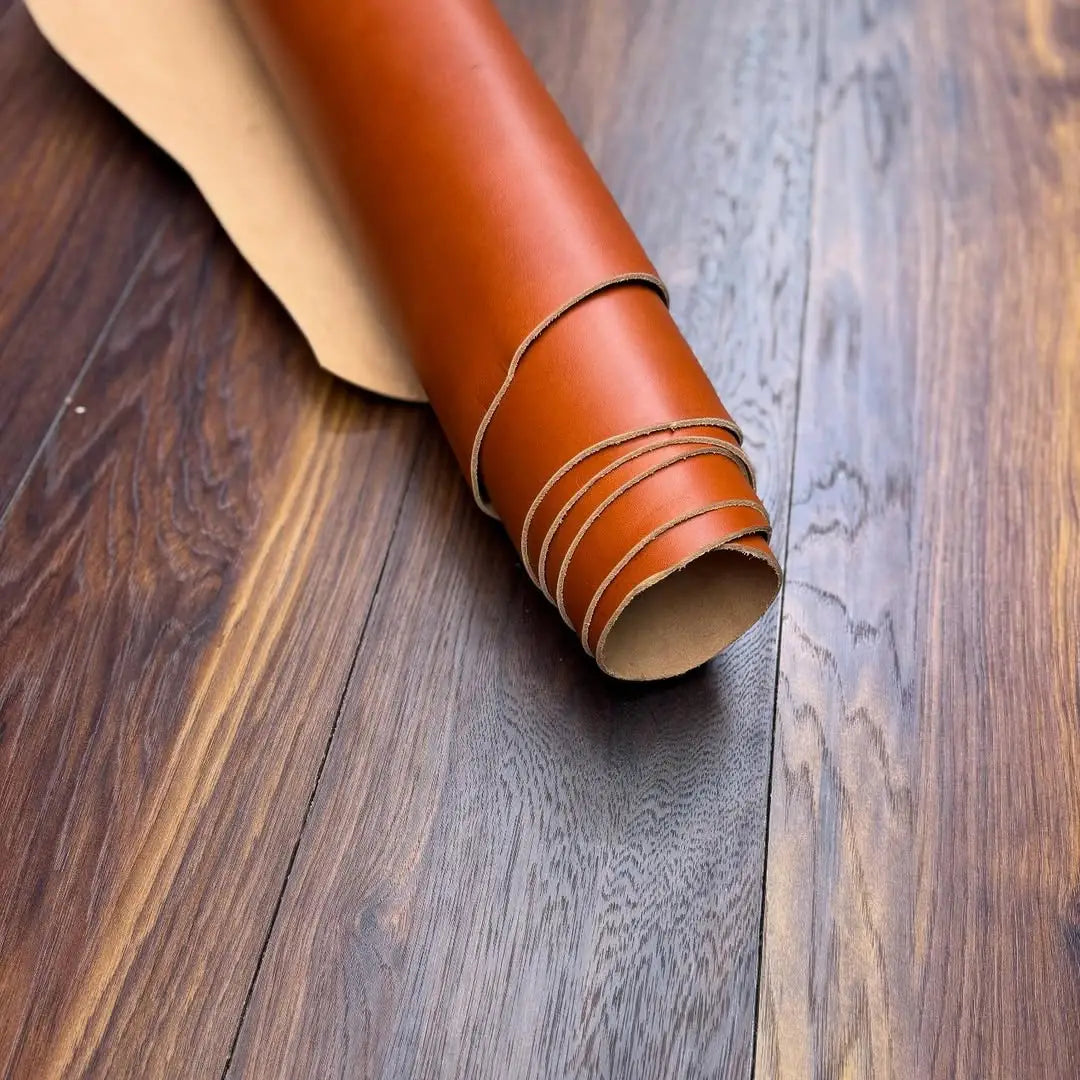
One of the most popular choices for a reason. Tan highlights the natural grain and texture of the leather better than almost any other shade — you can see every fiber, every pore. It starts bright and warm, then deepens steadily into a rich honey-brown over months of use. If you want to watch your leather visibly transform over time, Tan is the most rewarding choice.
Best for: Wallets, luggage tags, personalized gifts. Patina speed: Fast.
Purple
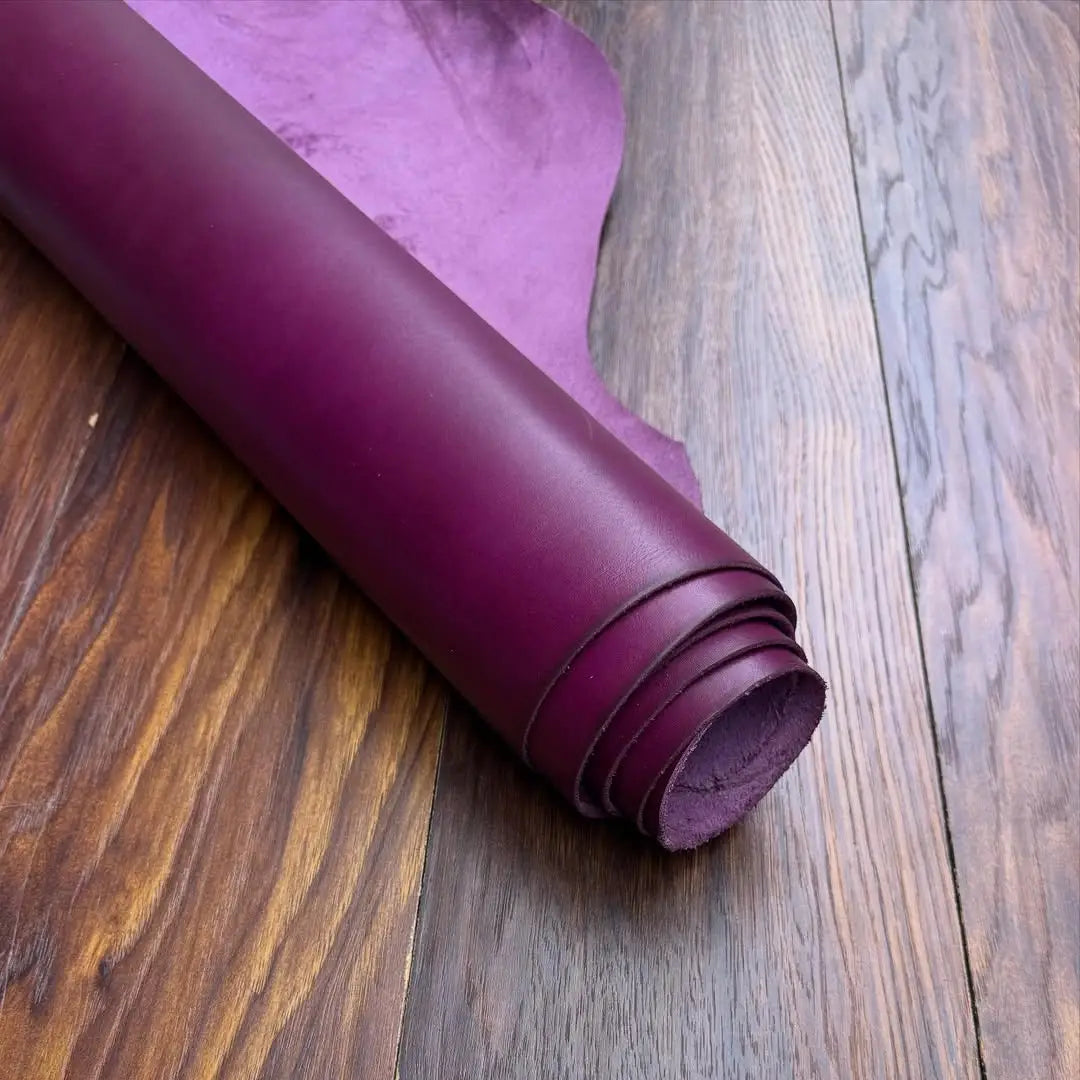
Distinctive and creative. Purple veg tan leather is for those who treat their accessories as an extension of their personality. It develops a deep, complex patina that retains its purple character while gaining earthy undertones — nothing like the flat purple of synthetic materials. Pairing with gold hardware brings out the richness of this shade.
Best for: Card holders, small accessories, gifts. Patina speed: Moderate.
Green
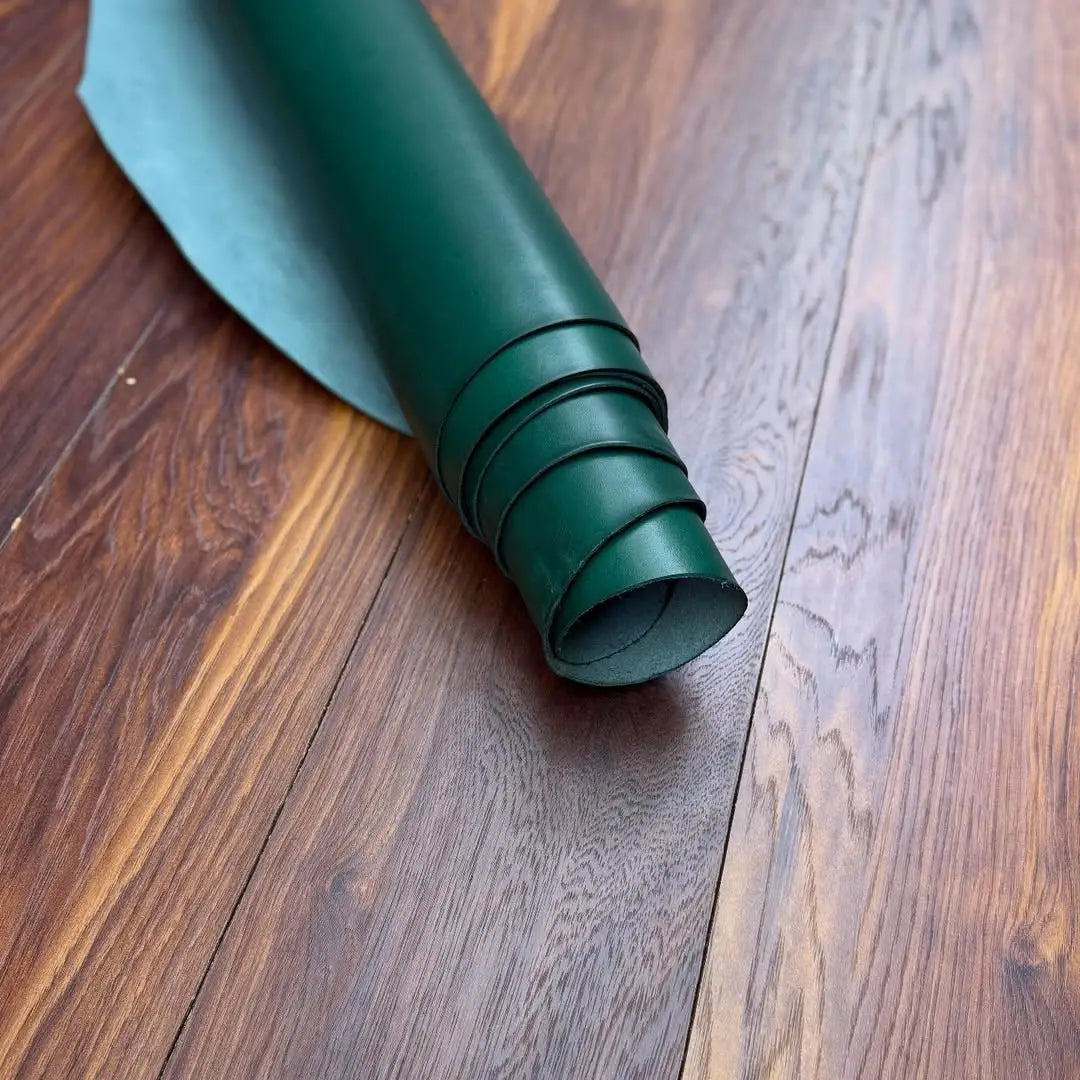
Inspired by nature, grounded in craft. Green leather carries a freshness that pairs beautifully with natural, earthy aesthetics. Over time, it deepens toward an olive or forest tone — a patina that feels intentional and rich rather than faded. It's an understated choice that rewards a second look.
Best for: Wallets, notebook covers, eyeglass cases. Patina speed: Moderate.
Chestnut
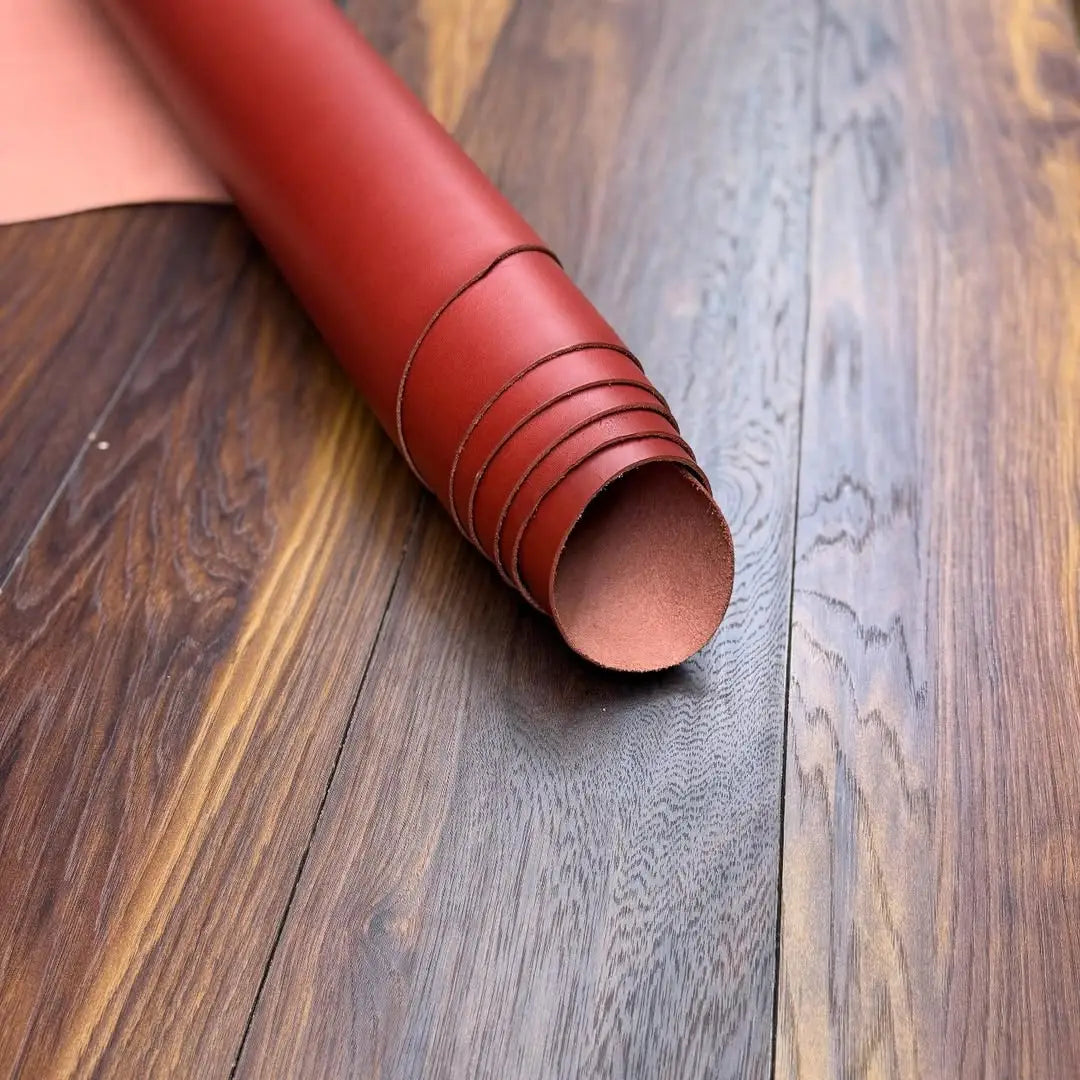
Warm, traditional, and deeply satisfying. Chestnut sits between Tan and Brown on the spectrum, offering the best of both: the warmth of a lighter leather with the depth and sophistication of a darker one. It ages into a deep, burnished reddish-brown that many leather enthusiasts consider the most beautiful end-state of any color.
Best for: Wallets, card holders, luggage tags. Patina speed: Moderate.
Brown
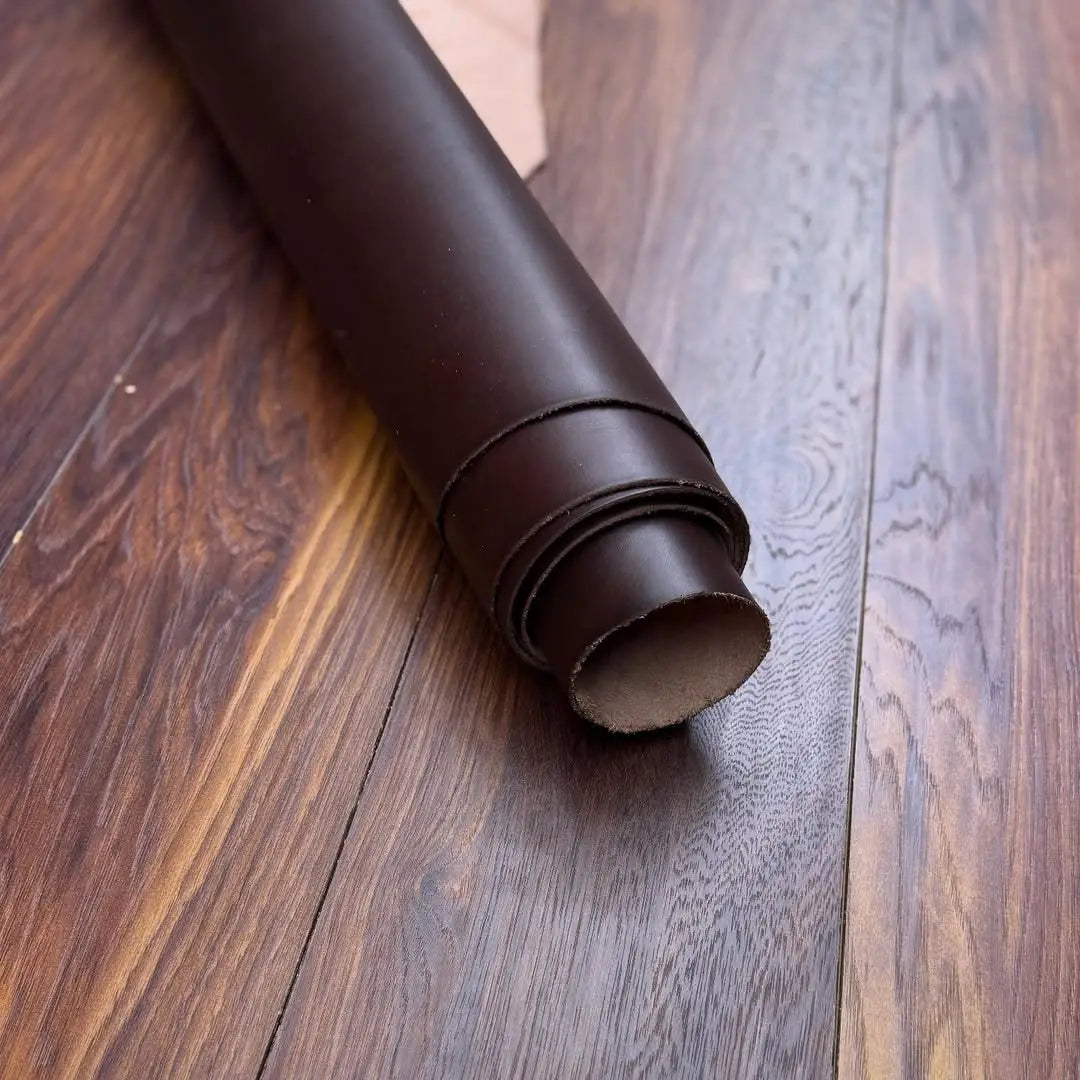
The classic. Brown vegetable tanned leather has been the standard for leather goods for centuries, and for good reason — it is endlessly versatile, pairs with virtually every outfit and style, and ages with absolute grace. Darker than Tan and Chestnut, it masks everyday wear better while still showing a beautiful deepening patina over time.
Best for: All leather goods. Patina speed: Moderate.
Burgundy
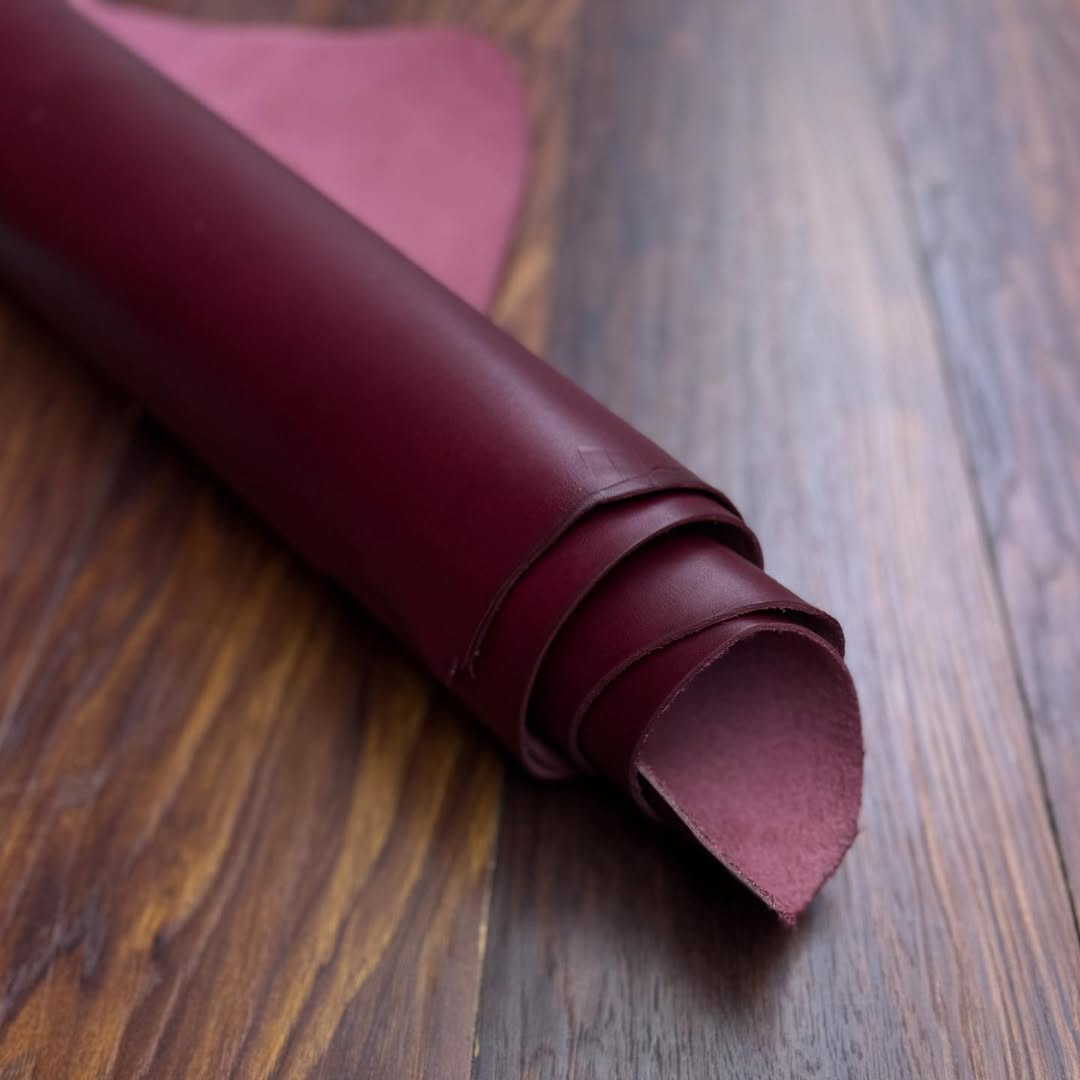
Deep, luxurious, and unmistakably premium. Burgundy occupies a unique space — darker and more complex than Red, warmer than Black, it carries an air of quiet confidence. This shade develops a stunning patina, its highlights brightening slightly with use while the body deepens. It is the kind of leather color that makes people ask where you got your wallet.
Best for: Wallets, card holders, AirTag holders. Patina speed: Moderate.
Natural
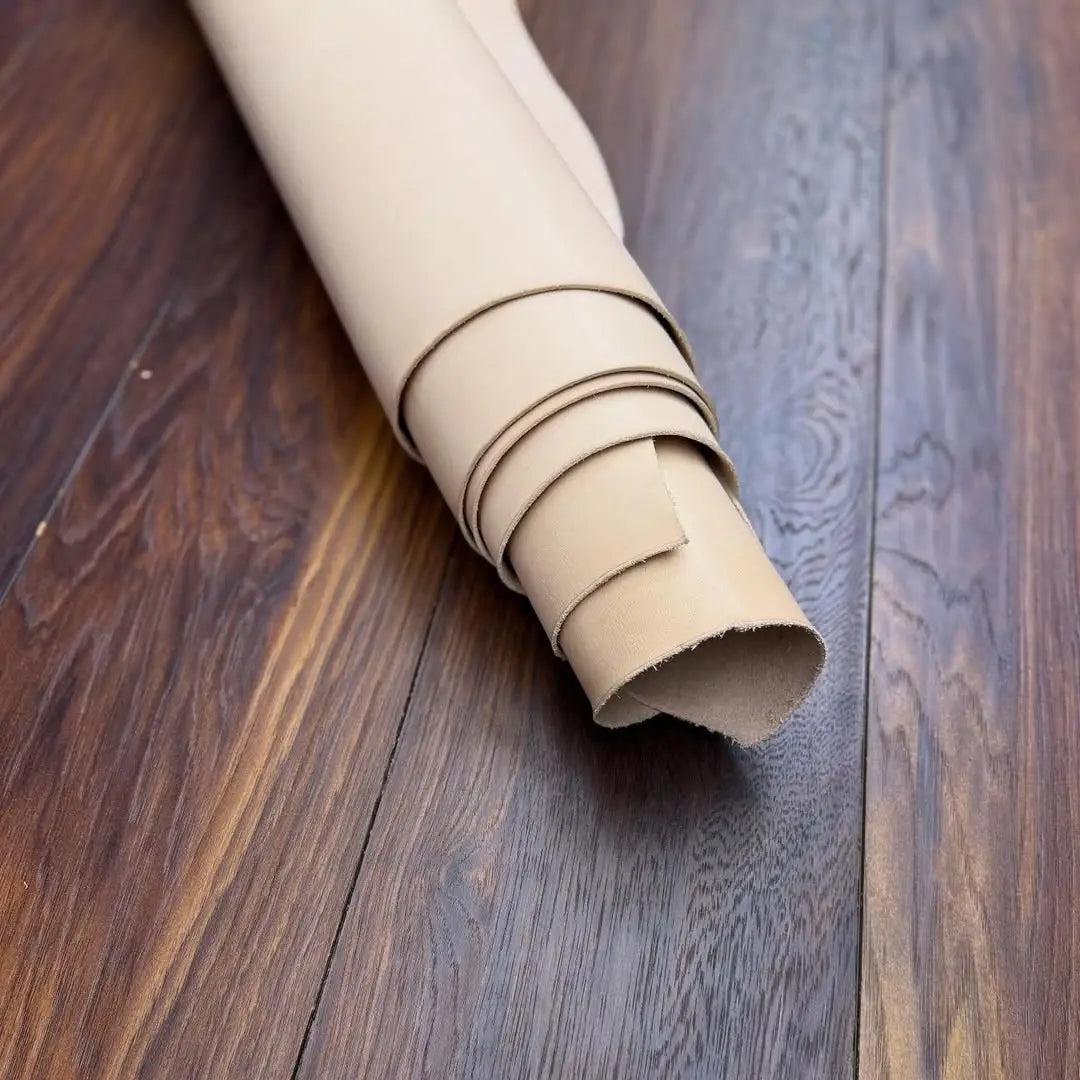
The purest expression of vegetable tanned leather. Natural leather is undyed — its pale cream color comes from the tanning agents themselves. It is a blank canvas, and over weeks and months it transforms more dramatically than any other shade: from cream, to honey, to a deep amber-brown that is entirely shaped by your specific use. No two natural leather pieces ever age the same way.
Best for: Anyone who wants the most visible, dramatic patina journey. Patina speed: Very fast.
Black
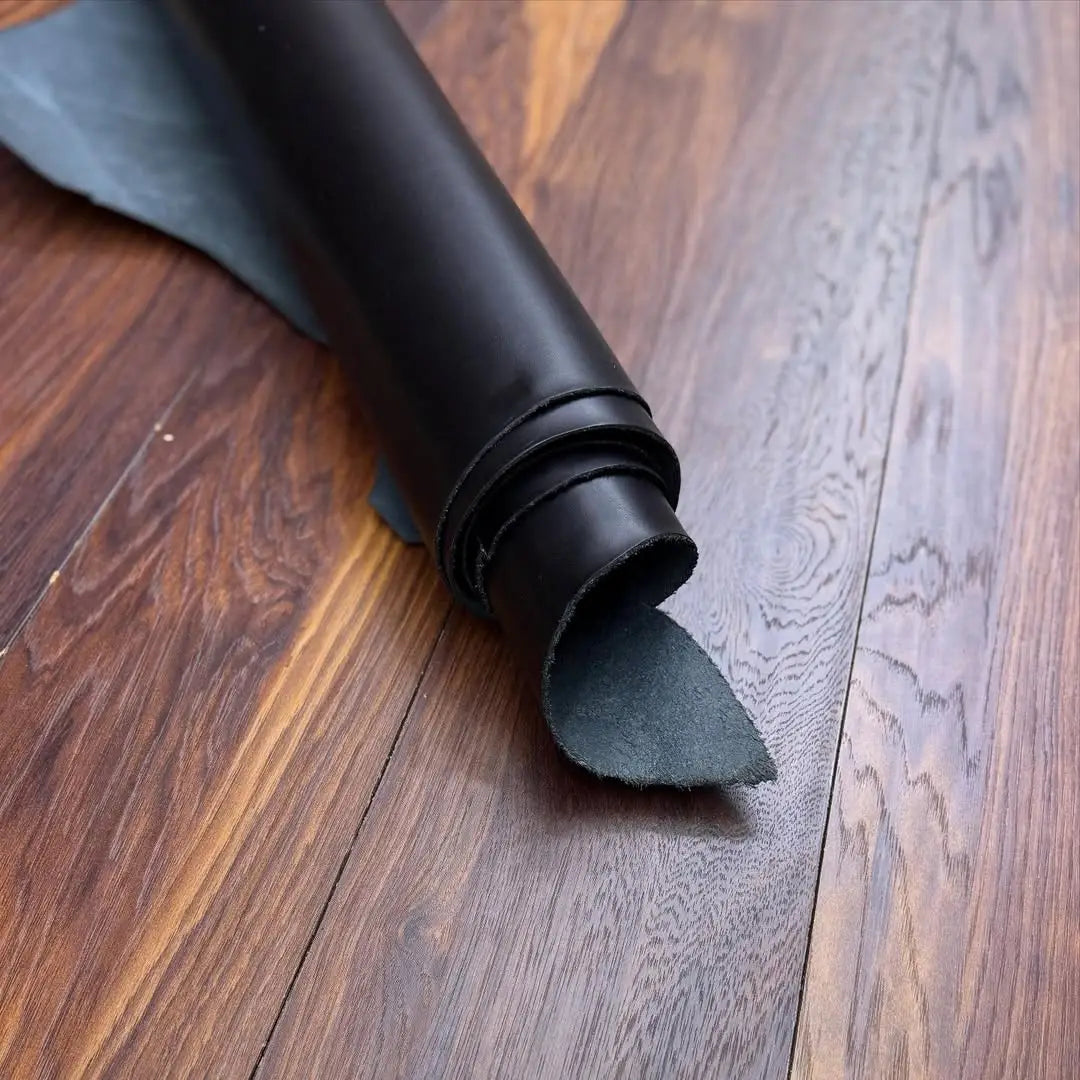
Sleek, modern, and endlessly refined. Black veg tan leather is a study in understated quality — it doesn't shout, it simply delivers. Unlike chrome-tanned black leather, which can look synthetic, veg tan black has a depth and warmth that reveals itself slowly. With use, the surface develops a subtle sheen and the edges lighten slightly, giving it a lived-in character that synthetic leathers never achieve.
Best for: Minimalist wallets, card holders, tech accessories. Patina speed: Slow.
Cognac
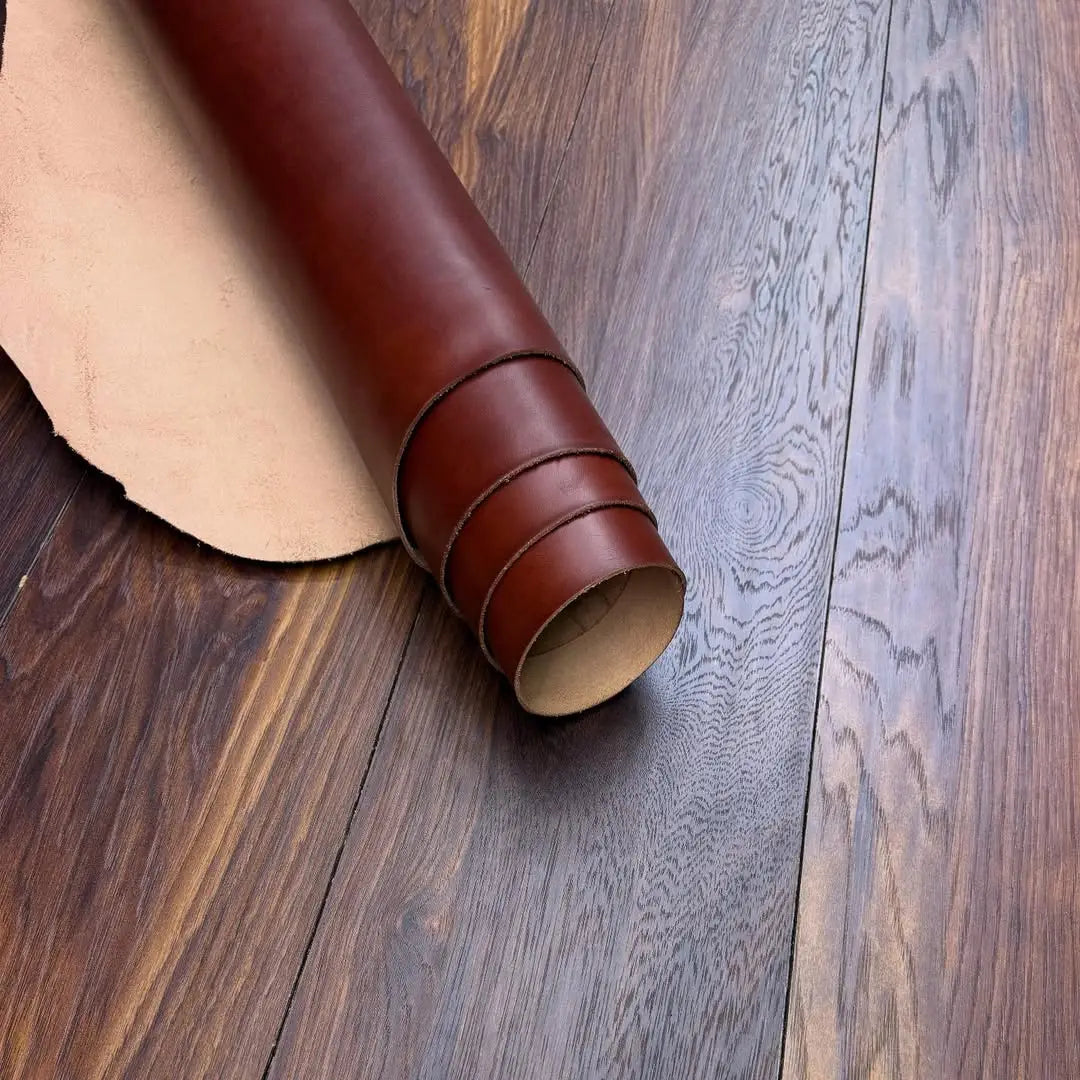
Warm, golden, and timelessly elegant. Cognac is one of those leather colors that looks expensive from day one and only improves with age. It deepens into a rich amber-brown, with the areas of most frequent touch developing a glassy sheen first. If you are looking for a color that balances warmth with sophistication, Cognac is the answer.
Best for: Wallets, luggage tags, personalized gifts. Patina speed: Fast.
How Each Color Ages: Patina Guide
Patina is not damage — it is the leather's record of your life. Understanding how vegetable tanned leather colors age is key to choosing the right shade. Here is how each color compares in terms of patina speed and character:
| Color | Patina Speed | End-State Character |
|---|---|---|
| Natural | Very Fast | Deep amber-honey; most dramatic change |
| Tan | Fast | Rich honey-brown; highly visible evolution |
| Cognac | Fast | Deep amber with glassy high-use areas |
| Red | Moderate–Fast | Deep burgundy-red; scuffs blend in beautifully |
| Chestnut | Moderate | Burnished reddish-brown; deeply satisfying |
| Brown | Moderate | Deeper chocolate-brown; subtle and elegant |
| Burgundy | Moderate | Enriched depth; highlights warm slightly |
| Navy Blue | Moderate | Softens and warms at edges |
| Purple | Moderate | Deep earthy-purple; gains complexity |
| Green | Moderate | Olive/forest tone; feels intentional |
| Black | Slow | Subtle sheen; edges lighten slightly |
The key insight: lighter colors show the most dramatic transformation. Darker colors age more subtly but no less beautifully. Neither ages poorly — they age differently.
How to Choose the Right Color for Your Leather Goods
The right color depends on two things: what the piece is for, and how you want it to look in five years.
For everyday wallets and card holders: Brown, Chestnut, and Cognac are the most versatile — they match almost any wardrobe, hide everyday wear gracefully, and age into something genuinely beautiful. If you want something more personal, Tan and Natural will show off the patina journey most dramatically.
For luggage tags: Tan, Cognac, and Natural are excellent choices. Their high patina speed means the tag quickly starts to look like a traveled, storied piece. Navy Blue and Burgundy also work well if you want something that stands out on a baggage carousel.
For AirTag holders and key fobs: These pieces take the most daily handling, so choose a color you enjoy touching — Red, Burgundy, and Brown develop a beautiful burnished sheen quickly in high-contact areas.
For personalized and gifted pieces: Natural is the most meaningful — each piece develops a unique patina shaped entirely by its owner. For a bolder gift, Red or Purple make an unforgettable impression.
As a general rule: if you are indecisive, you cannot go wrong with Brown, Chestnut, or Cognac. If you want to make a statement, go Navy Blue, Red, or Purple. If you want to watch leather transform, choose Natural or Tan.
Caring for Your Vegetable Tanned Leather by Color
All vegetable tanned leather benefits from the same basic care — occasional conditioning with a natural leather conditioner and keeping it away from prolonged water exposure. But color does affect a few practical considerations.
Light colors (Natural, Tan, Cognac) are more susceptible to visible staining from ink, denim transfer, and oils. Keep them away from new dark denim when possible, and condition them more regularly to build up a protective surface over time.
Dark colors (Black, Brown, Burgundy, Navy Blue) are more forgiving in daily use and hide minor staining naturally. They require less frequent conditioning but benefit from occasional polishing to maintain their depth.
Vibrant colors (Red, Purple, Green) may experience slight color variation as they age — this is normal and desirable, not a defect. Avoid harsh chemical cleaners, which can strip the dye. A damp cloth and natural conditioner is all they need.
All colors benefit from regular hand use — the oils in your skin are one of the best natural conditioners for veg tan leather.
Conclusion
Choosing among all available vegetable tanned leather colors is not just an aesthetic decision — it is a commitment to a specific kind of aging, a specific kind of story. Whether you choose the dramatic transformation of Natural, the quiet confidence of Black, or the warmth of Cognac, you are choosing leather that will become more yours with every passing month.
Browse our full range of handcrafted, made-to-order leather goods and select your color at Toprank Leather — Personalized Leather Goods. You can also explore our Ready to Ship selection if you need something sooner. Every piece is made to order using the full vegetable tanned leather you've read about here.
FAQ
What colors does vegetable tanned leather come in?
Full vegetable tanned leather is available in a wide range of colors including natural, tan, brown, chestnut, cognac, burgundy, black, navy blue, red, green, and purple. Earth tones are most common because the natural tanning process favors warm, organic hues.
Can vegetable tanned leather be dyed any color?
Not quite. Intense shades like neon, pure white, or electric blue are very difficult to achieve with veg tanned leather because the tannins in the fiber interact with dyes and pull colors toward warmer, earthier tones.
Which veg tan leather color develops the best patina?
Natural (undyed) leather develops the most dramatic patina, shifting from pale cream to deep honey-amber over months of use. Tan and Cognac also age beautifully, deepening richly over time.
Does vegetable tanned leather change color over time?
Yes — this is one of its most prized qualities. Exposure to light, the oils from your hands, and everyday use gradually deepen and warm the leather's tone, creating a unique patina that no two pieces share.
What's the most durable color for a leather wallet?
Darker shades like Brown, Chestnut, and Burgundy are most forgiving in daily use. They hide minor scuffs better than lighter colors, though all vegetable tanned leathers become more beautiful — not less — with age.
About the Maker
Every Toprank Leather piece is cut, stitched and finished by hand in our Istanbul workshop — 11 years of full grain, vegetable-tanned leather craft. We publish these guides to share what we learn at the bench, and everything we make is backed by a lifetime warranty.


